
While both modalities offer incredible physical and mental health benefits, understanding the distinct differences between Deep Tissue and Swedish massage is key to choosing the right treatment for your body’s specific needs. Swedish massage serves as the classic foundation of modern bodywork, utilizing gentle-to-medium pressure combined with long, rhythmic strokes (effleurage), light kneading, and gentle circular movements to increase circulation, ease surface-level tension, and deeply calm the nervous system—making it the ideal choice if your primary goal is stress relief, mental relaxation, or an overall sense of rejuvenation. On the other hand, Deep Tissue massage takes a much more clinical and targeted approach, employing slow, deliberate friction and intense pressure focused on the deeper layers of muscle tissue and surrounding fascia. By using knuckles, forearms, and elbows to reach overworked muscles beneath the surface, Deep Tissue is uniquely engineered to break down chronic adhesion knots, realign strained muscle fibers, alleviate persistent lower back or neck pain, and restore mobility after strenuous athletic activity or prolonged desk posture. Ultimately, whether you need the soothing, stress-melting flow of a Swedish massage or the therapeutic, knot-releasing intensity of Deep Tissue, aligning your choice with your current stress levels, pain threshold, and physical goals ensures you achieve the most restoring experience possible.
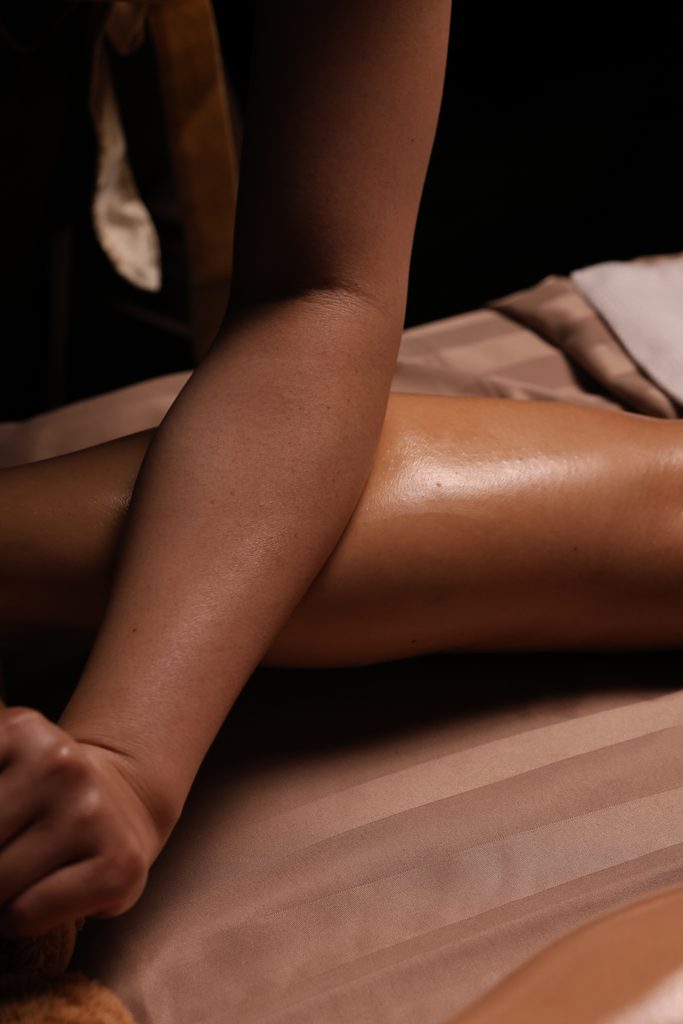
Building on these technical mechanics, Swedish massage relies on five foundational strokes—effleurage, petrissage, friction, tapotement, and vibration—to stimulate the parasympathetic nervous system, boost circulation, and lower cortisol, making it the premier clinical choice for stress relief, mild fatigue, and sensitive conditions like fibromyalgia. Deep Tissue massage, by contrast, utilizes specialized stripping, myofascial release, and cross-fiber friction to penetrate beyond superficial muscles, directly targeting deep postural groups, tendons, and fascia to break down scar tissue, flush oxygen-deprived knots, and rehabilitate chronic conditions like sciatica, upper cross syndrome, or athletic strain.